
 Daily Bazar
  Electronics
  Sports
  Automotive
  Stationery, Books & Music
  Lifestyle
  Fashion
 _20.jpeg) Home
Home  Garden & Pet Care
  Grocery
  Daily Bazar
  Electronics
  Sports
  Automotive
  Stationery, Books & Music
  Lifestyle
  Fashion
 _20.jpeg) Home
Home  Garden & Pet Care
  Grocery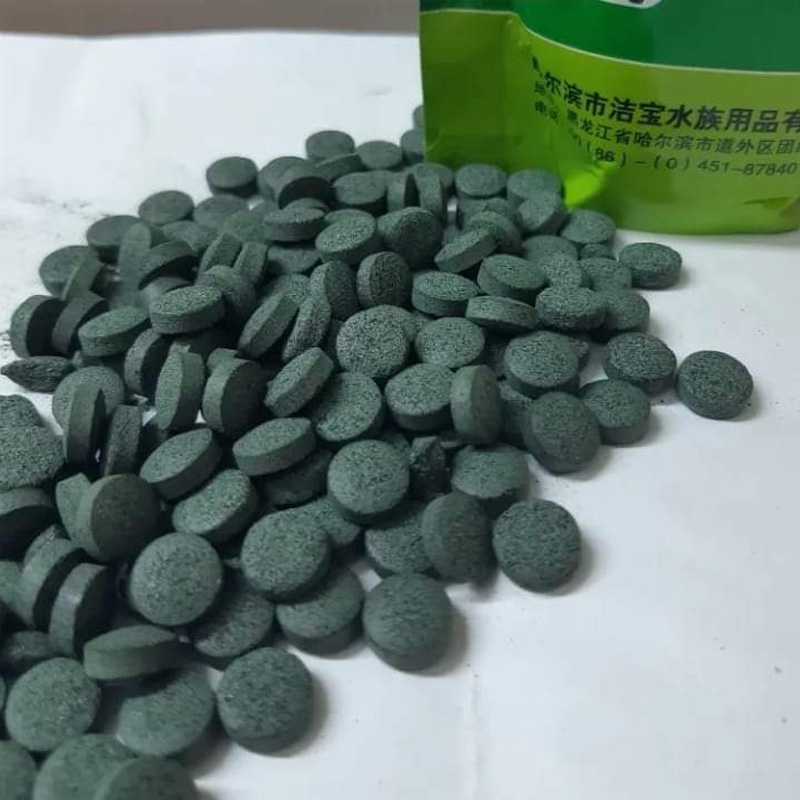
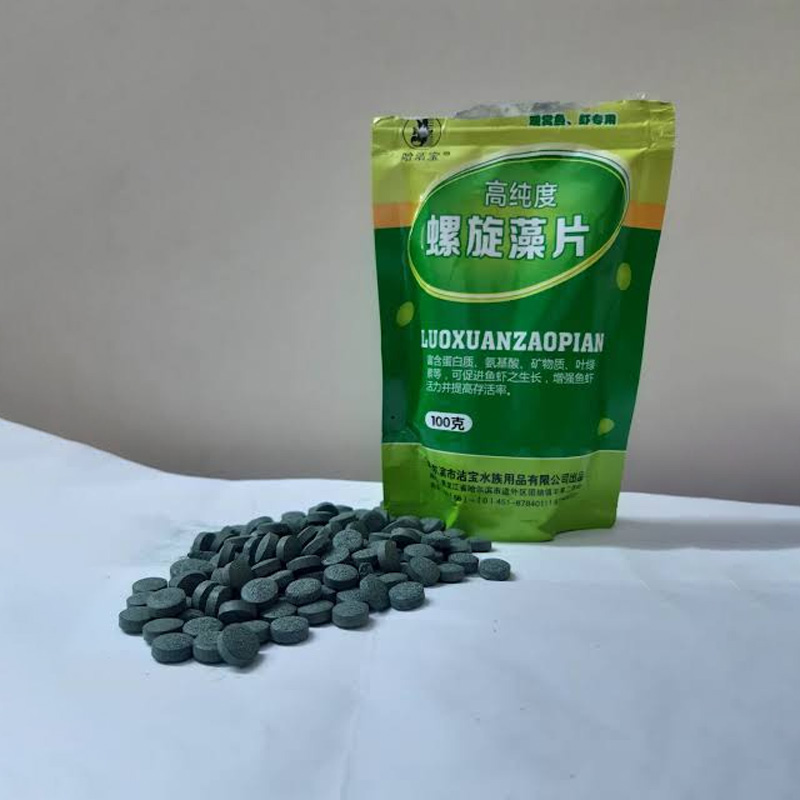
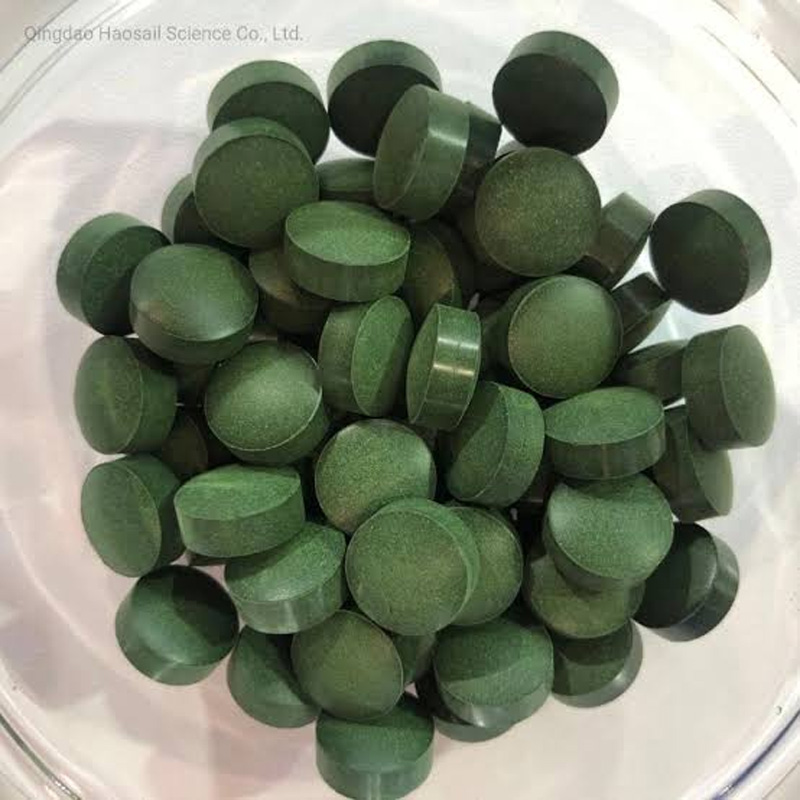
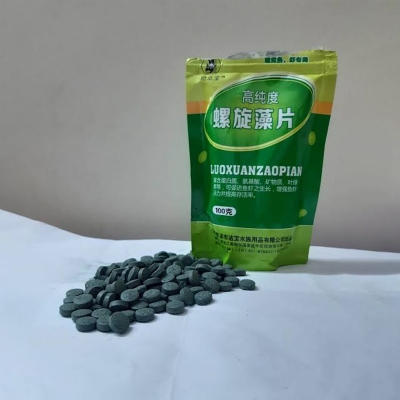
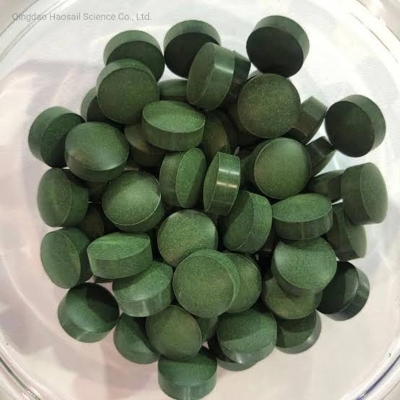
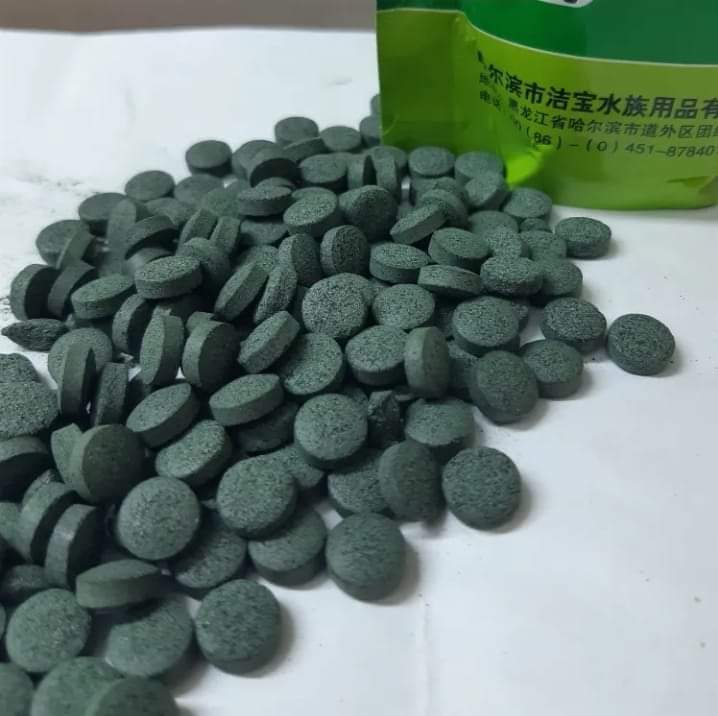
Spirulina is a planktonic algae found naturally in volcanic lakes, most commonly in Africa, Asia, South America, and Central America. These lakes are filled with the compounds spirulina algae need to grow, namely salt, iron, potassium phosphate, potassium nitrate, and sodium bicarbonate. However, it does not require a carbon source or living energy to make its own food.
Spirulina gets its name from its spiral structure, though you have to look through a microscope to tell it looks that way. To the naked eye, spirulina algae looks like dark-green seaweed grass or something you would find on the bottom of a river.Fish Food Spirulina Farm
Despite its strange appearance, spirulina makes a nutritious food source. It is filled with beta-carotene, Vitamin B12, and protein—which makes up between 60 and 70 percent of the plant. The protein in spirulina is even a complete protein, usually difficult to find in plants. It also has 62% amino acid content.
The nutrients in spirulina are necessary for the diets of humans as much as fish. History shows the Aztecs harvested spirulina as a food source up until the 16th century. They knew it helped to keep them healthy and strong, plus they had a convenient lake to grow it in.
Today, spirulina is farmed around the world for humans and fish.

Login to ask a question
