



 Global Finds
  Quick Commerce
  Daily Bazar
  Electronics & Appliances
  Mother, Baby & Toys
  Beauty
  Sports
  Automotive
  Stationery, Books & Music
 _20.png) Fashion Luxe
Fashion Luxe  Fashion
 _20.jpeg) Home
Home  Garden & Pet Care
  Special Weekly Offer
  Grocery
  Global Finds
  Quick Commerce
  Daily Bazar
  Electronics & Appliances
  Mother, Baby & Toys
  Beauty
  Sports
  Automotive
  Stationery, Books & Music
 _20.png) Fashion Luxe
Fashion Luxe  Fashion
 _20.jpeg) Home
Home  Garden & Pet Care
  Special Weekly Offer
  Grocery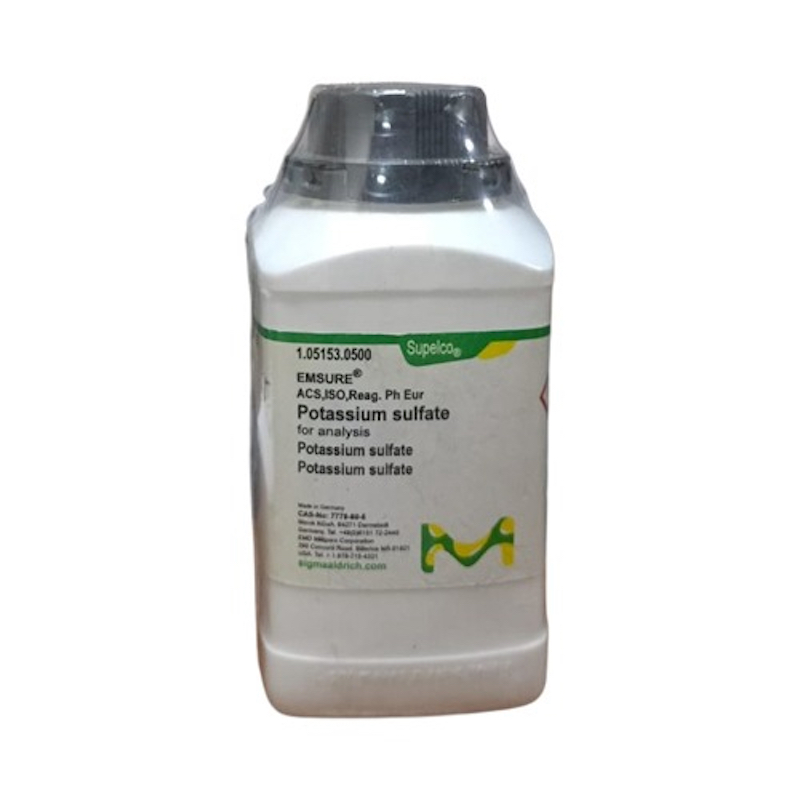
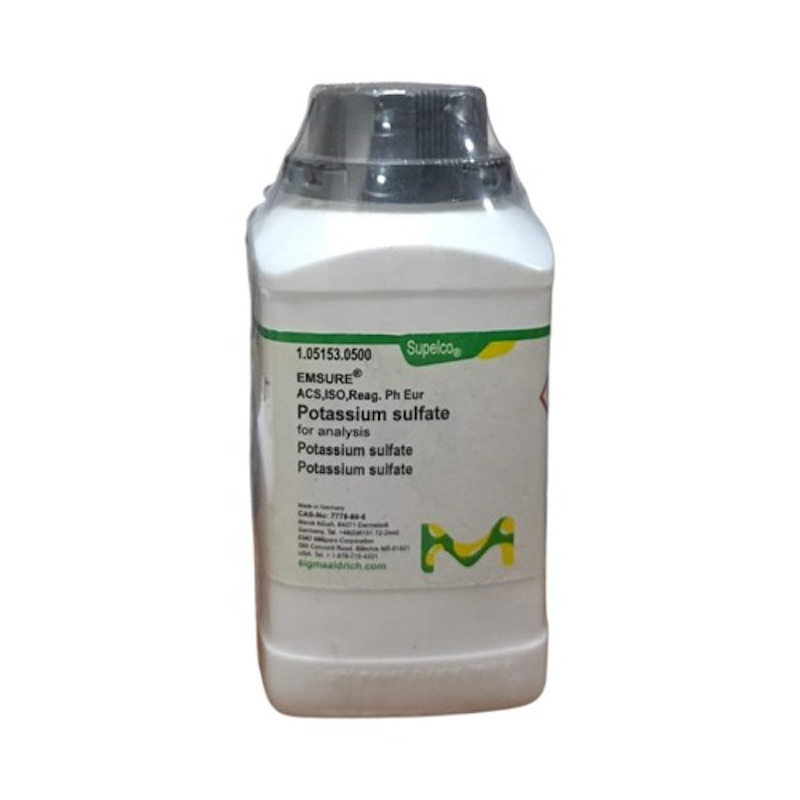
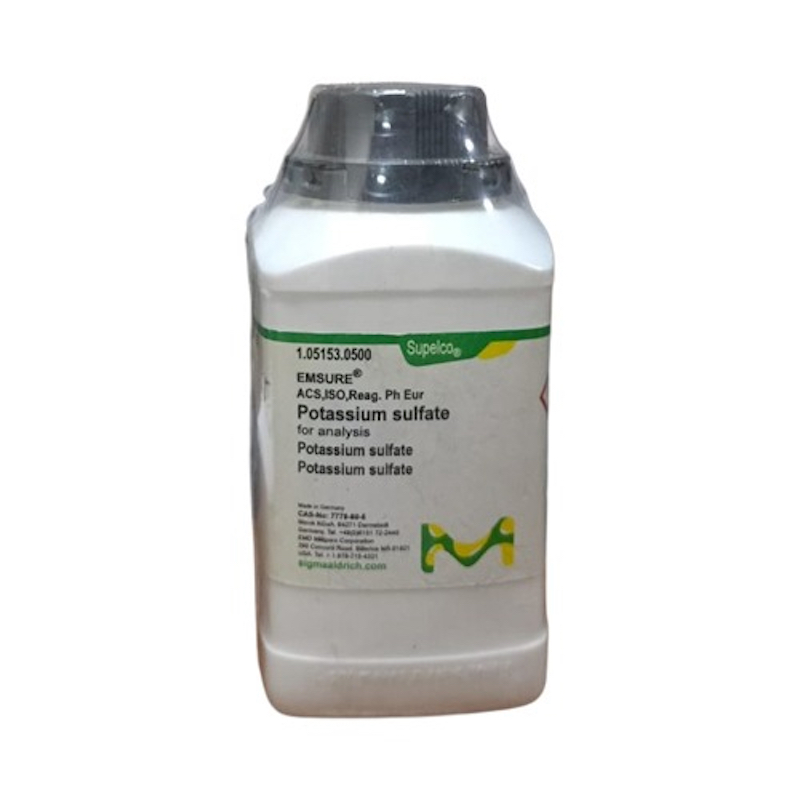
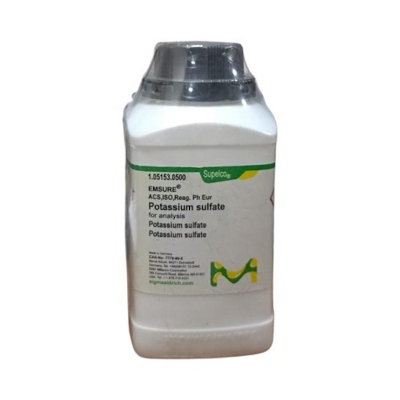
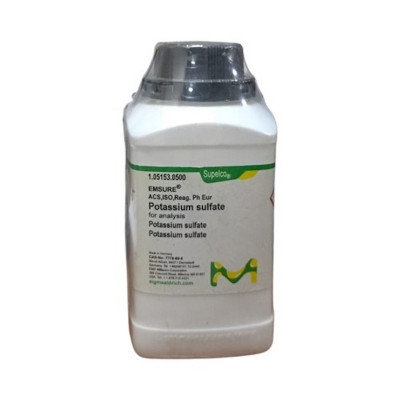
Potassium sulfate (K₂SO₄) is a chemical compound made up of potassium (K) and sulfate (SO₄²⁻) ions. It's commonly used as a fertilizer due to its high potassium content and low salt index. It benefits crops that require potassium but are sensitive to chloride, such as fruits, vegetables, and tobacco.
\n
Here’s a breakdown of its properties and uses:
\n \nChemical Properties:
\n-
\n
- Molecular formula: K₂SO₄ \n
- Appearance: White, crystalline solid \n
- Solubility: It is soluble in water, though not as soluble as potassium chloride. \n
- Density: About 2.66 g/cm³ \n
General Uses of Potassium Sulfate 500gm:
\n-
\n
- Fertilizer: Potassium sulfate is often used in agriculture to supply potassium (K) to plants. It provides potassium without chlorine, which can harm certain plants. \n
- Manufacturing of other chemicals: It can be used in the production of glass, ceramics, and other potassium-based chemicals. \n
- Soil Conditioning: Because it provides both potassium and sulfur, potassium sulfate can improve the sulfur content in soil, which is important for plant growth. \n
Advantages over other potassium fertilizers:
\n-
\n
- Chloride-free: Unlike potassium chloride (KCl), potassium sulfate doesn’t introduce chloride ions, which can be toxic to certain crops. \n
- Provides Sulfur: Sulfur is an essential nutrient for plants, involved in producing proteins and enzymes, and potassium sulfate provides this alongside potassium. \n
Production of Potassium Sulfate 500gm:
\nPotassium sulfate can be produced in two main ways:
\n \n-
\n
- From potassium chloride: The reaction of potassium chloride with sulfuric acid or other sulfate-containing compounds can yield potassium sulfate. \n
- From natural minerals: Some deposits, such as kainite and langbeinite, naturally contain potassium sulfate. \n
-
\n
- Potassium Sulfate \n
- Pack Size: 500gm \n
- Origin: Merck, Germany \n

Customer Questions and answers :
Login to ask a question
