
 Global Finds
  Quick Commerce
  Daily Bazar
  Electronics & Appliances
  Mother, Baby & Toys
  Beauty
  Sports
  Automotive
  Stationery, Books & Music
 _20.png) Fashion Luxe
Fashion Luxe  Fashion
 _20.jpeg) Home
Home  Garden & Pet Care
  Special Weekly Offer
  Grocery
  Global Finds
  Quick Commerce
  Daily Bazar
  Electronics & Appliances
  Mother, Baby & Toys
  Beauty
  Sports
  Automotive
  Stationery, Books & Music
 _20.png) Fashion Luxe
Fashion Luxe  Fashion
 _20.jpeg) Home
Home  Garden & Pet Care
  Special Weekly Offer
  Grocery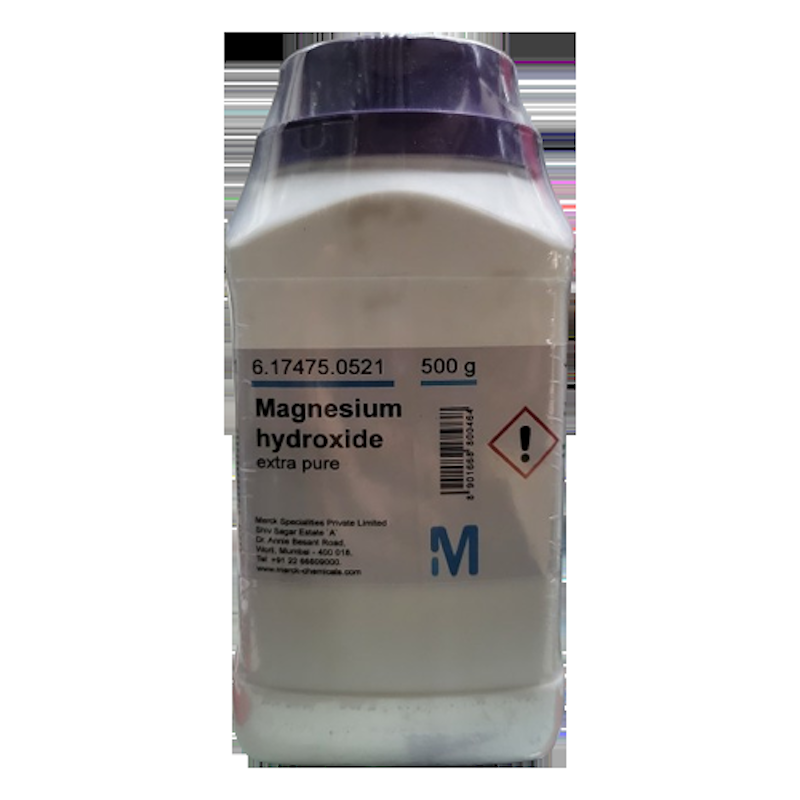
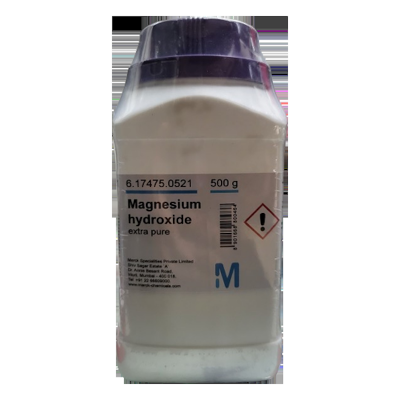
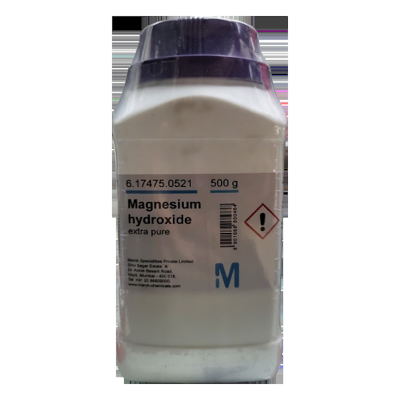
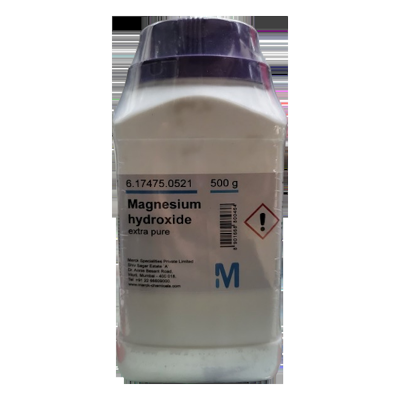
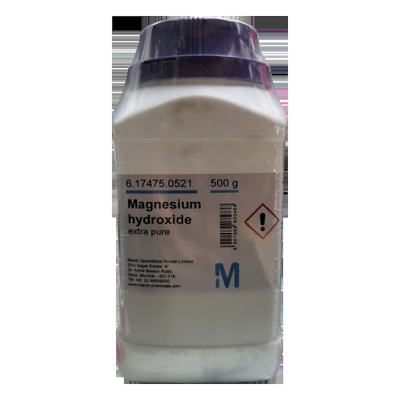
Magnesium hydroxide is an inorganic compound with the chemical formula Mg(OH)₂. It occurs in nature as the mineral brucite. It is a white solid with low solubility in water. Magnesium hydroxide is a common component of antacids, such as milk of magnesia.
\n
\nMagnesium hydroxide is used to treat occasional constipation in children and adults on a short-term basis. Magnesium hydroxide is in a class of medications called saline laxatives. It works by causing water to be retained in the stool.
\n
\n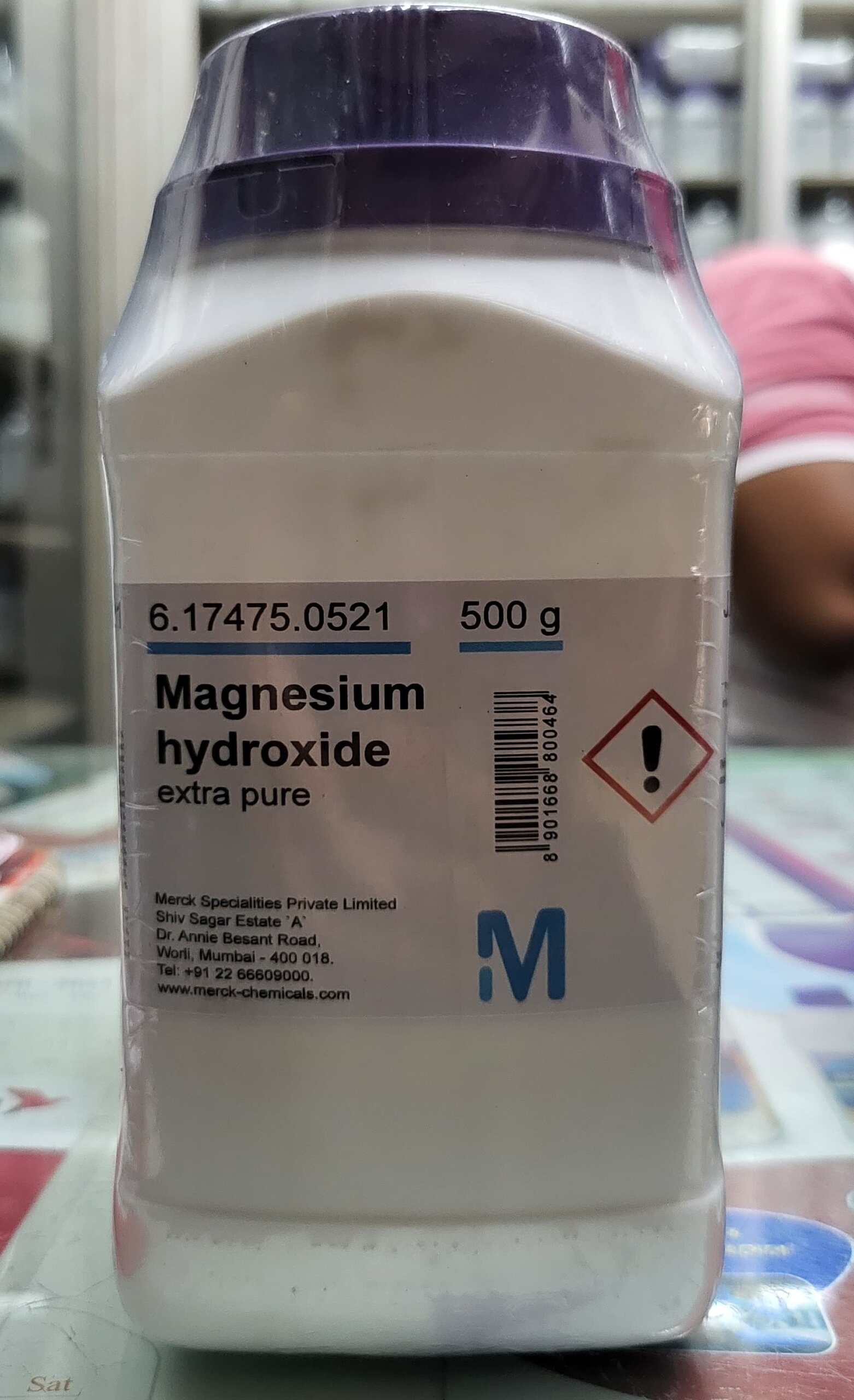 \n
\nMagnesium hydroxide is an inorganic compound with the formula Mg(OH)2\text{Mg(OH)}_2. It appears as a white, odorless powder or a colorless, crystalline solid. Here are some key points about magnesium hydroxide:
\n
\n
\nMagnesium hydroxide is an inorganic compound with the formula Mg(OH)2\text{Mg(OH)}_2. It appears as a white, odorless powder or a colorless, crystalline solid. Here are some key points about magnesium hydroxide:
\n
\n
\nMagnesium hydroxide is an inorganic compound with the formula Mg(OH)2\text{Mg(OH)}_2. It appears as a white, odorless powder or a colorless, crystalline solid. Here are some key points about magnesium hydroxide:
\nProperties of Magnesium Hydroxide
\n-
\n
- Solubility: It is poorly soluble in water but more soluble in acidic conditions. \n
- pH: It has a basic pH when dissolved in water. \n
Uses
\n-
\n
- Antacid: Commonly used to relieve heartburn and indigestion. \n
- Laxative: Acts as an osmotic laxative, drawing water into the intestines. \n
- Industrial applications: Used in wastewater treatment, as a flame retardant, and in the production of other magnesium compounds. \n
Health and Safety
\n-
\n
- Generally considered safe when used as directed, but excessive consumption can lead to side effects like diarrhea. \n
Chemical Properties
\n-
\n
- Chemical Formula: Mg(OH)2\text{Mg(OH)}_2 \n
- Molecular Weight: Approximately 58.3197 g/mol. \n
- Structure: It has a layered structure where magnesium ions are surrounded by hydroxide ions. \n
Preparation
\n-
\n
- Synthesis: This can be produced by reacting magnesium salts (like magnesium sulfate) with a strong base (like sodium hydroxide). \n
- Natural Occurrence: Found in nature as the mineral brucite. \n
General Applications of Magnesium Hydroxide
\n-
\n
- Medical Uses:
\n
-
\n
- Antacid: Neutralizes stomach acid, providing relief from heartburn and acid indigestion. \n
- Laxative: Commonly used in over-the-counter medications for constipation due to its ability to increase water in the intestines. \n
\n - Industrial Uses:
\n
-
\n
- Flame Retardant: Used in plastics, textiles, and paper to reduce flammability. \n
- Wastewater Treatment: Helps to neutralize acidic waste and precipitate heavy metals. \n
- Ceramics: Acts as a filler and stabilizer in ceramics and glass production. \n
\n - Agricultural Uses:
\n
-
\n
- Soil Amendment: Helps to neutralize acidic soils, improving nutrient availability for plants. \n
\n
Benefits of Magnesium Hydroxide
\n-
\n
- Gentle on the Stomach: Unlike some stronger antacids, magnesium hydroxide is less likely to cause gas and bloating. \n
- Dual Functionality: Provides both antacid and laxative effects, making it versatile in treating gastrointestinal issues. \n
Precautions
\n-
\n
- Dosage: Overconsumption can lead to side effects such as diarrhea and abdominal cramping. \n
- Interactions: May interact with other medications; it’s advisable to consult a healthcare provider if taking other treatments. \n
- Chronic Use: Prolonged use can lead to electrolyte imbalances, particularly in individuals with kidney issues. \n
Environmental Impact
\n-
\n
- Generally considered safe for the environment, but large quantities of wastewater can affect pH levels in aquatic systems. \n
-
\n
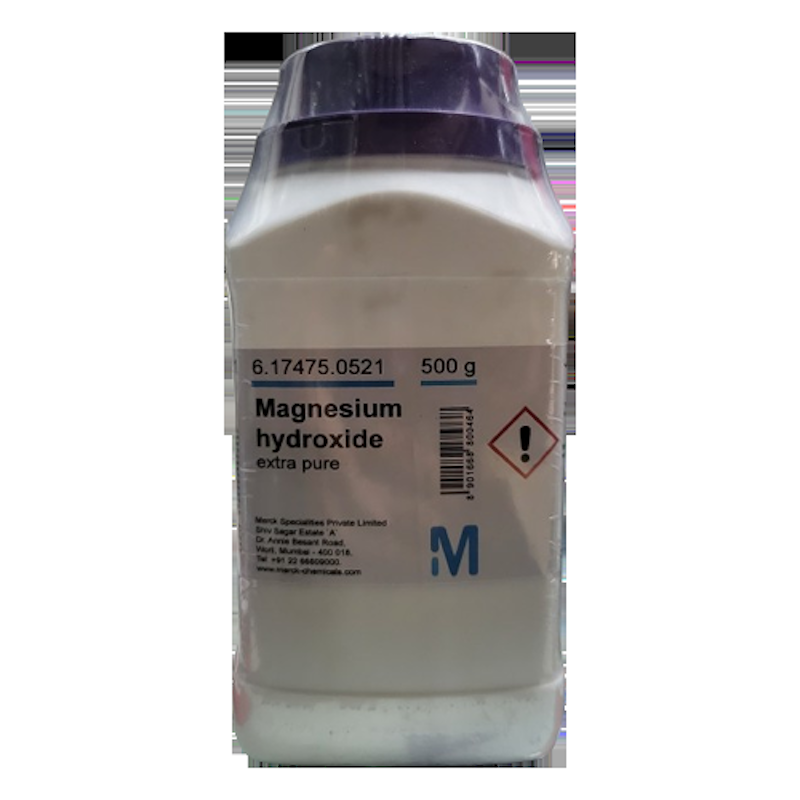
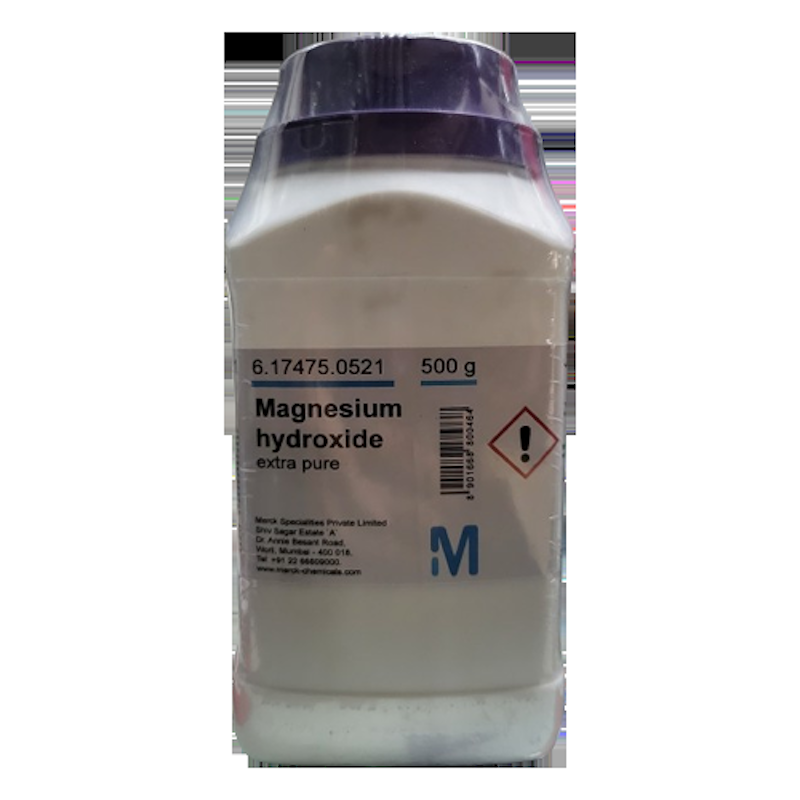
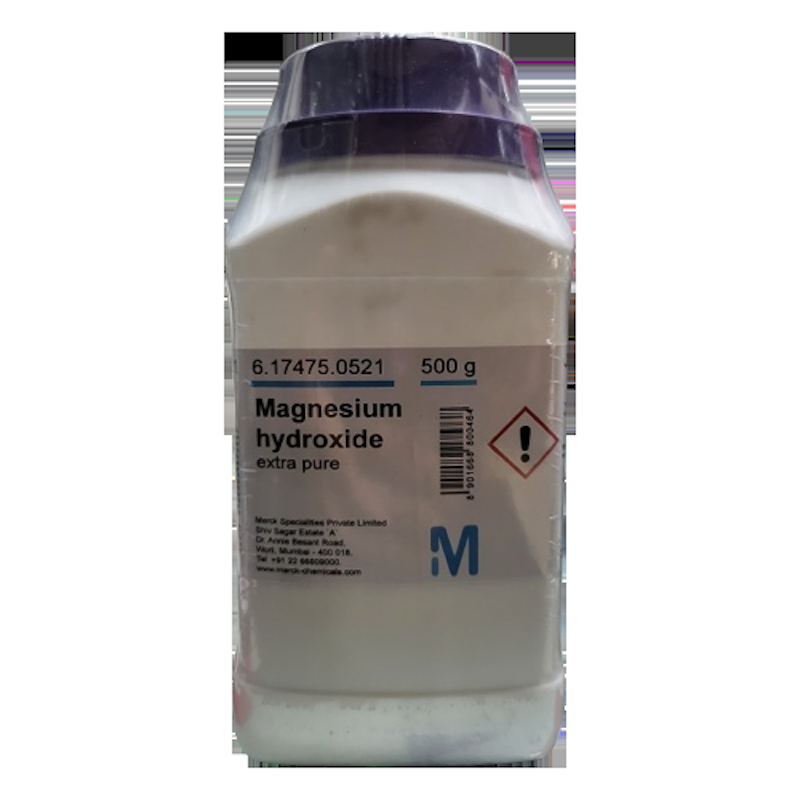
- Magnesium Hydroxide Extra Pure \n
- Pack Size: 500gm \n
- Brand: Merck \n
- Made in India \n

Customer Questions and answers :
Login to ask a question
