



 Global Finds
  Quick Commerce
  Daily Bazar
  Electronics & Appliances
  Mother, Baby & Toys
  Beauty
  Sports
  Automotive
  Stationery, Books & Music
 _20.png) Fashion Luxe
Fashion Luxe  Fashion
 _20.jpeg) Home
Home  Garden & Pet Care
  Special Weekly Offer
  Grocery
  Global Finds
  Quick Commerce
  Daily Bazar
  Electronics & Appliances
  Mother, Baby & Toys
  Beauty
  Sports
  Automotive
  Stationery, Books & Music
 _20.png) Fashion Luxe
Fashion Luxe  Fashion
 _20.jpeg) Home
Home  Garden & Pet Care
  Special Weekly Offer
  Grocery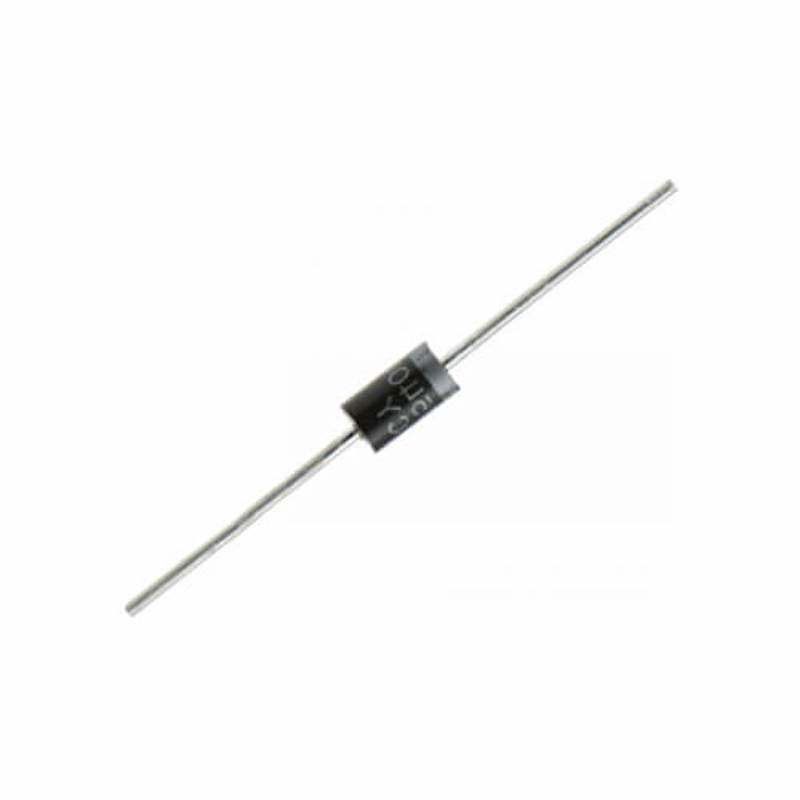
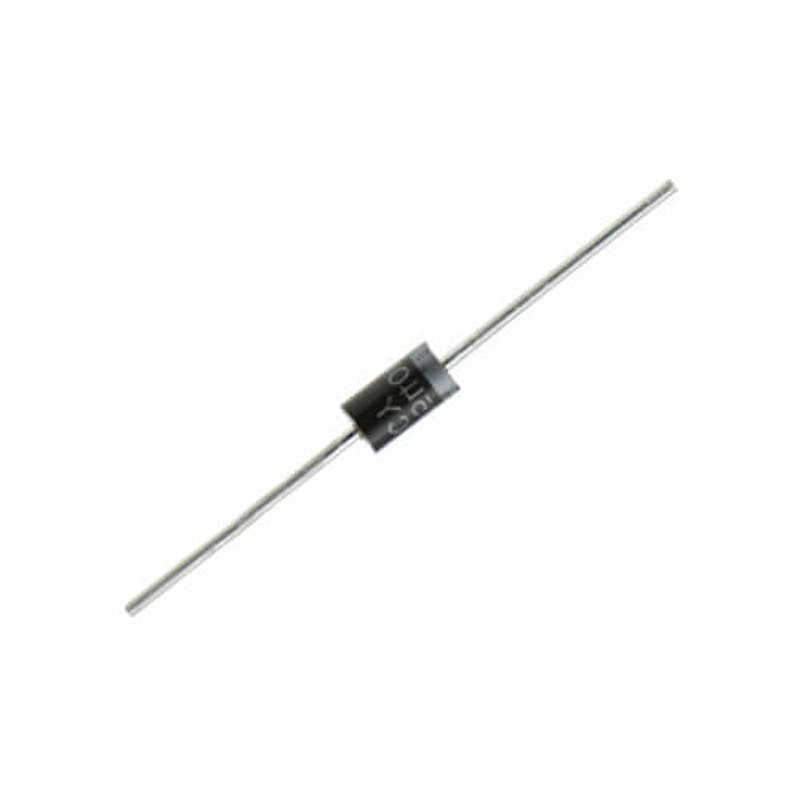
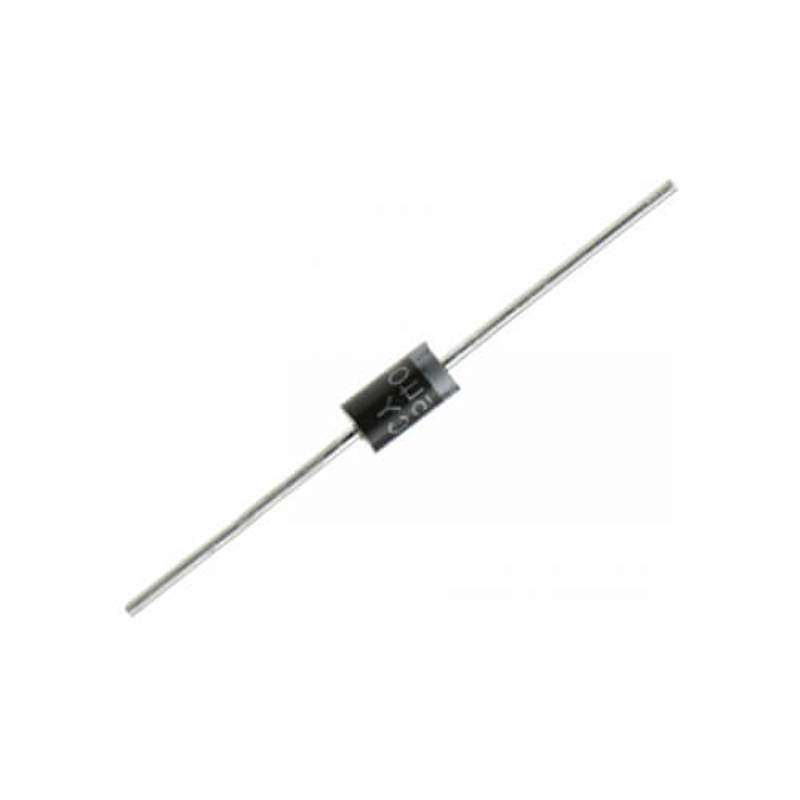
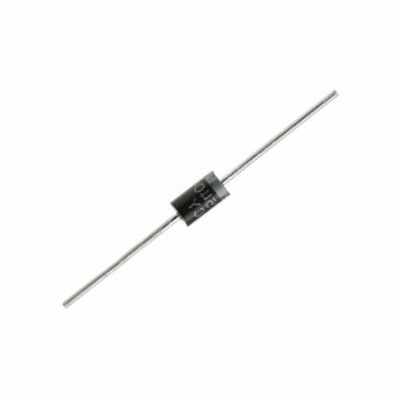
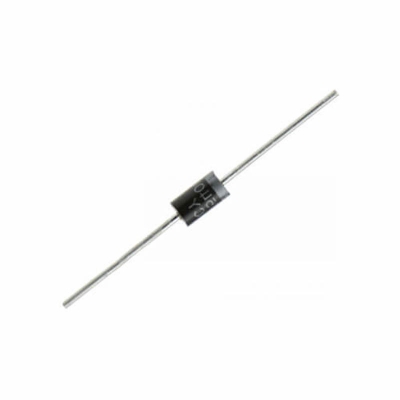
The 1N5408 diode is a low-cost, high-current diode for circuit protection and voltage rectification. The 1N5408 diode has a continuous reverse voltage rating of 1000V and is suitable for high-forward currents of up to 3A. The diode has a forward voltage drop of 1.2V.
\n
Specification Diode 1N5408:
\n-
\n
- The average forward current is 3A \n
- The Forward Voltage drop is 1V @3A \n
- Non-repetitive Peak current is 200A \n
- The Peak Reverse current is 10uA. \n
- Repetitive reverse voltage is 1000V \n
- Available in DO-201 Package \n
Package Include:
\n-
\n
- 1 x 1N5408 Diode \n
Broad Description of 1N5408 Diode 3A
\nThe 1N5408 is a popular type of diode that is widely used in electronic circuits. It is a rectifier diode, specifically a general-purpose power diode. The “1N” prefix indicates that it is a standard diode, and “5408” is the specific part number assigned to this diode. \n \nHere are the key specifications of the 1N5408 diode: \n-
\n
- Current Rating: The “3A” in your question refers to the maximum average forward current the diode can handle, which is 3 amperes. This means it can safely carry up to 3 amperes of current under normal operating conditions. \n
- Maximum Voltage Rating: The 1N5408 diode has a maximum reverse voltage rating of 1000 volts. This means it can withstand up to 1000V in the reverse direction without breaking down. \n
- Rectification: The diode is primarily used for rectification purposes in power supply circuits, converting alternating current (AC) into direct current (DC). \n
- Package: The 1N5408 diode typically comes in a DO-201AD package, also known as the “DO-27” package, which has a cylindrical shape with two leads. \n
- Polarization: Diodes are polarized components, meaning they have a specific orientation for correct operation. The cathode (negative terminal) is usually indicated with a band or stripe on the diode body. \n
-
\n
- Diode 1N5408 \n
- 3.0 ampere operation at TA = 75°C with no thermal runaway. \n
- High current capability. \n
- Low leakage \n
- Made in China \n

Customer Questions and answers :
Login to ask a question
