



 Daily Bazar
 Electronics
 Sports
 Automotive
 Stationery, Books & Music
 Lifestyle
 Fashion
_20.jpeg) Home
 Garden & Pet Care
 Grocery
 Daily Bazar
 Electronics
 Sports
 Automotive
 Stationery, Books & Music
 Lifestyle
 Fashion
_20.jpeg) Home
 Garden & Pet Care
 Grocery
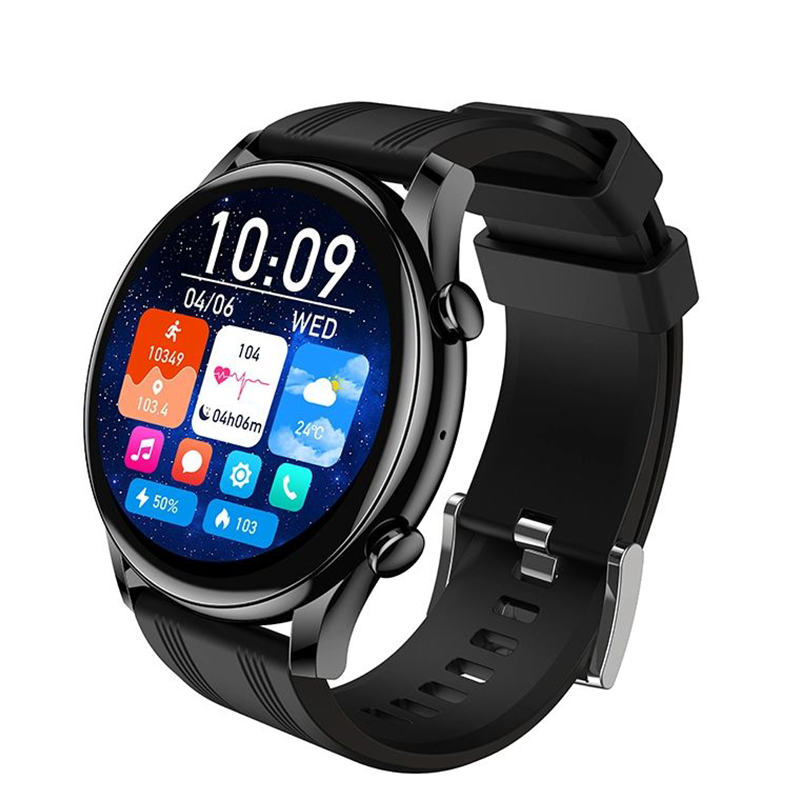
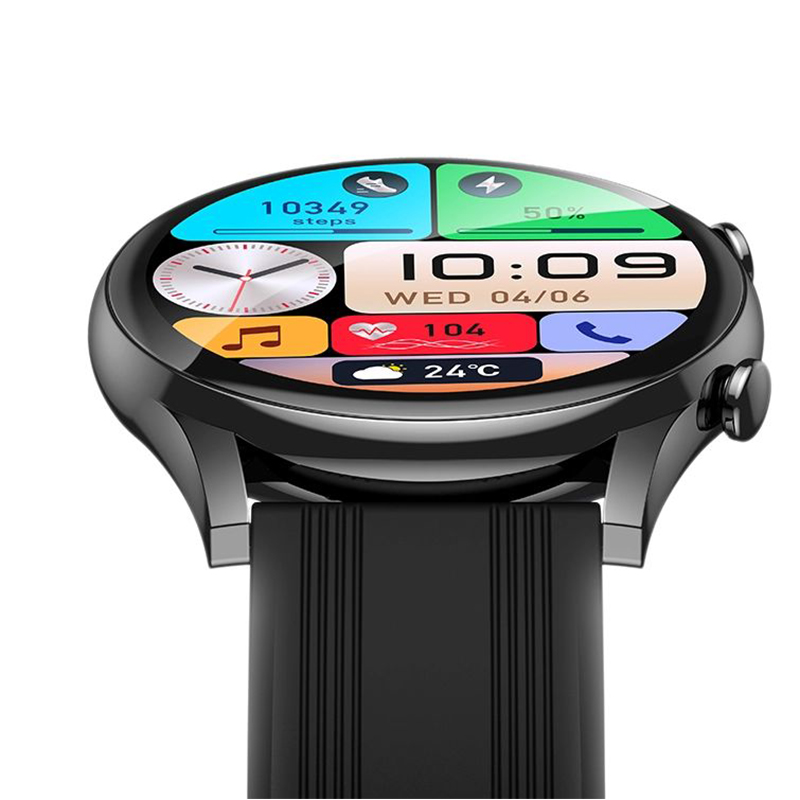
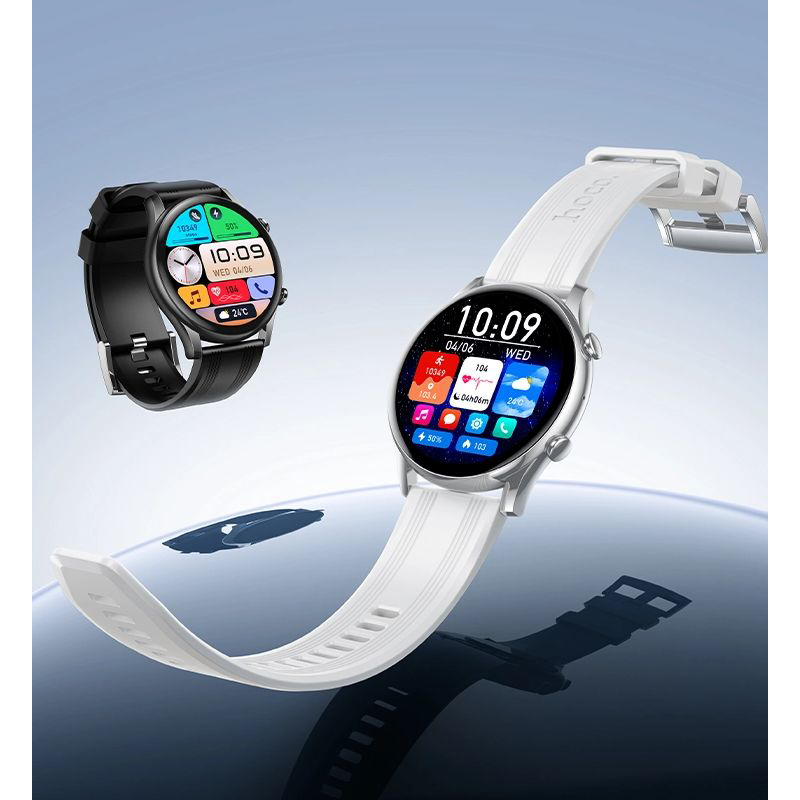
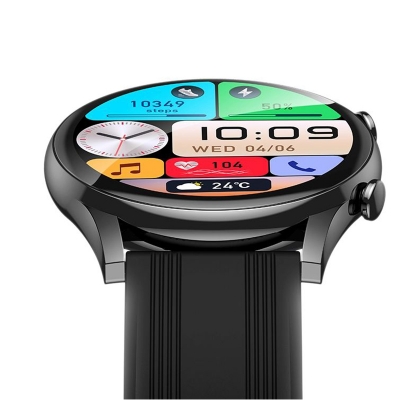
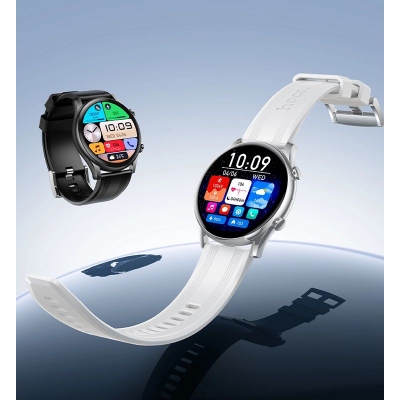
Display screen: 1.43-inch AMOLED; Resolution: 466 * 466; IP67 waterproof rating
2. CPU: Zhongke 5691; Memory: 128MB
3. Bluetooth 5.3; Support calling; APP Name: FitCloudPro
4. Battery capacity: 300mAh; Battery life: 3-5 days
5. Supports real heart rate and blood oxygen, heart rate detection, sleep monitoring, and other functions
6. Language package of 21 countries: Chinese, English, Russian, Arabic, Vietnamese, Denmark, Thai, Polish, Persia, Spanish, Malay, Greek, French, Italy, German, Portuguese, Türkiye, Romania, Hebrew, Burmese, Ukrainian
Why AMOLED Changes the Smartwatch Experience
The display is the interface between you and every piece of information your watch carries. The Hoco Y38 AMOLED smart watch uses an AMOLED (Active Matrix Organic Light Emitting Diode) panel — a fundamentally different display technology from the LCD screens used in lower-tier smartwatches.
True blacks: AMOLED pixels turn completely off to display black — not dark grey, but genuinely light-free black. This creates the visual contrast that makes watch faces and notifications appear sharp, crisp, and immediately readable even at low brightness settings.
Vivid colour saturation: Colours on an AMOLED display are richer, more saturated, and more accurate than LCD equivalents — making health graphs, watch faces, and notification content feel alive rather than flat
Superior outdoor visibility: The higher contrast ratio of AMOLED displays improves sunlight readability significantly — a practical advantage for anyone wearing the Y38 outdoors in Bangladesh’s bright sunlight.
Lower power consumption at typical use: When displaying mostly dark watch faces (which is most of the time), AMOLED draws significantly less power than an equivalent LCD — contributing to extended battery life between charges.
Bluetooth Calling – Your Wrist Becomes Your Phone
The call version designation of the Hoco Y38 AMOLED smart watch is not a minor feature — it is a fundamental shift in how you interact with your phone throughout the day. When your phone rings, you answer from your wrist. When you need to make a call, your wrist dials it. The built-in microphone and speaker handle conversations clearly enough for everyday use — walking the street, working at your desk, or moving between meetings in Dhaka’s offices.

Login to ask a question
