
 Daily Bazar
  Electronics
  Sports
  Automotive
  Stationery, Books & Music
  Lifestyle
  Fashion
 _20.jpeg) Home
Home  Garden & Pet Care
  Grocery
  Daily Bazar
  Electronics
  Sports
  Automotive
  Stationery, Books & Music
  Lifestyle
  Fashion
 _20.jpeg) Home
Home  Garden & Pet Care
  Grocery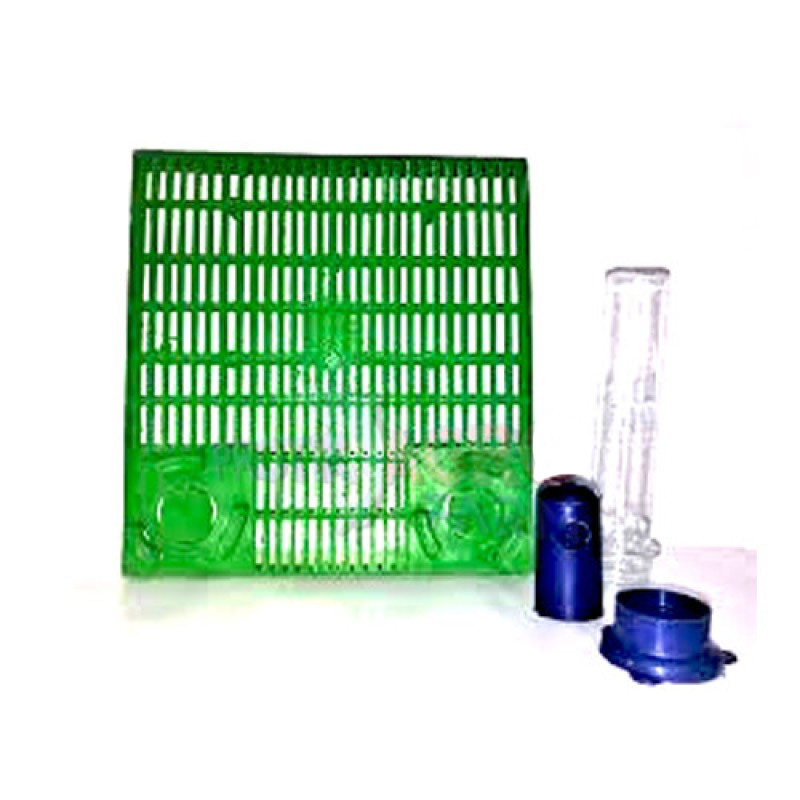
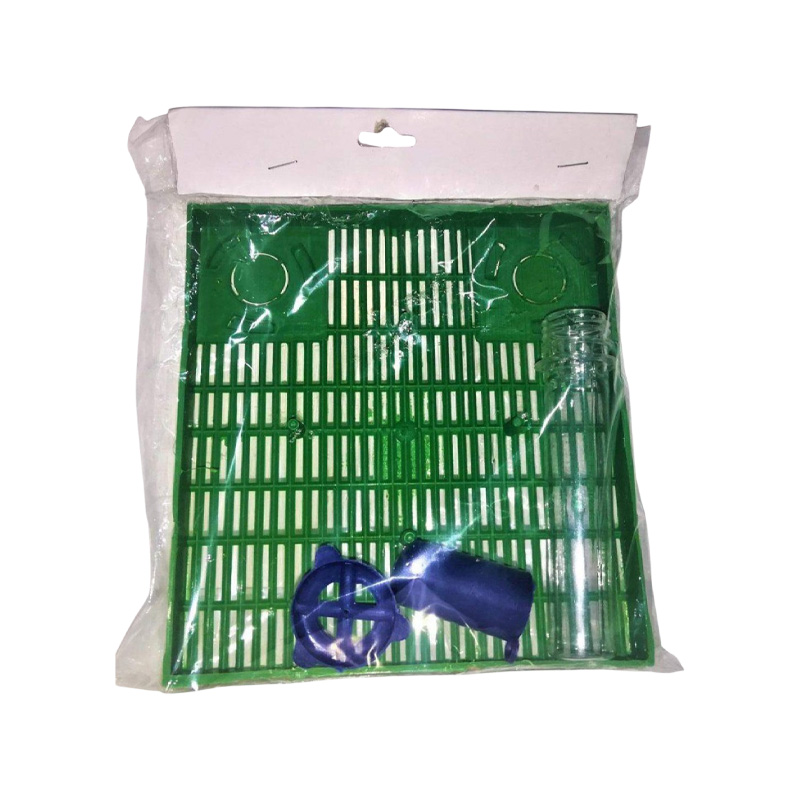
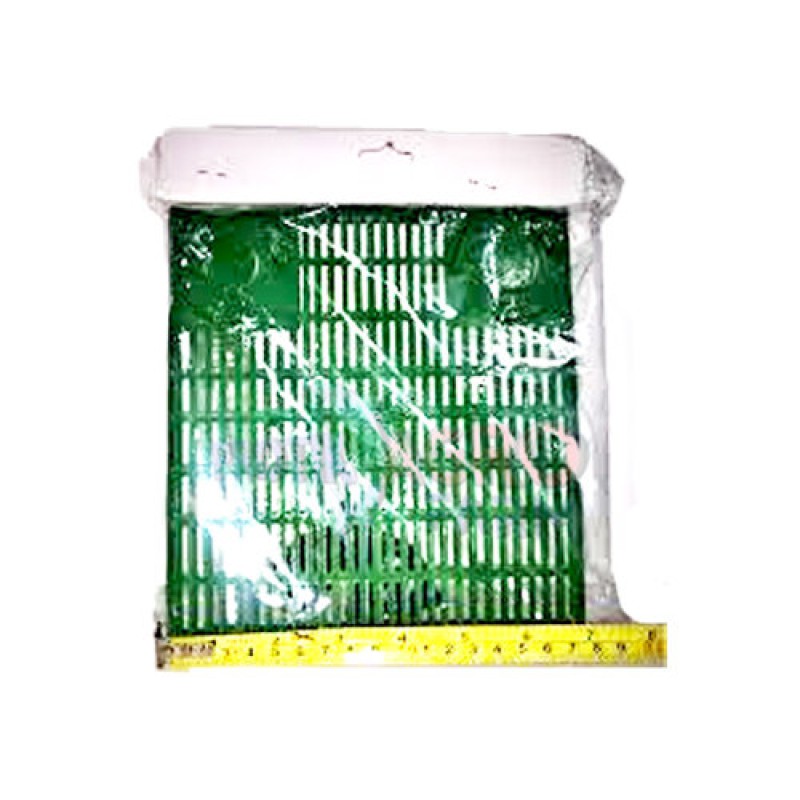
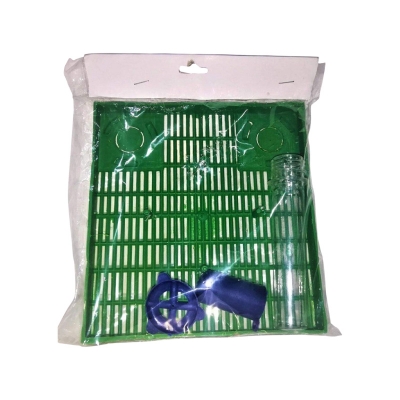
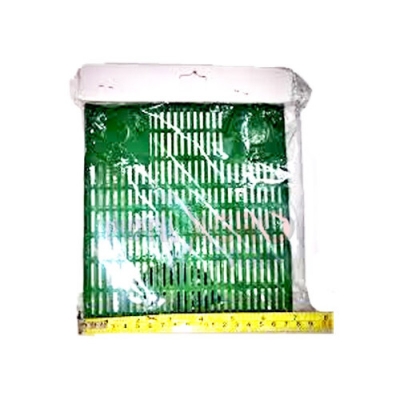
An aquarium tray filter typically refers to either an undergravel filter system, which uses a slatted plate under the substrate, or a drip/trickle filter box which sits on top of the tank or a sump, containing media trays. Both systems are designed to provide robust biological filtration for your aquarium.
Undergravel Tray Filters
Undergravel filters are one of the oldest and most cost-effective filtration methods, utilizing the entire gravel bed as a large biological and mechanical filter.
How it Works: A perforated plastic plate sits on the bottom of the aquarium, covered by 1-2 inches of appropriately-sized gravel (larger than 2mm). Water is drawn down through the gravel, into the space beneath the plate (plenum), and up through a vertical "uplift" tube, powered by an air pump or powerhead.
Key Features:
Large Biological Surface Area: The entire gravel bed provides an enormous surface area for beneficial bacteria to colonize, converting toxic ammonia and nitrites into less harmful nitrates.
Cost-Effective: Generally inexpensive to buy and operate.
Simple Design: Few mechanical parts, meaning less chance of component failure.
Considerations: Not suitable for fine substrates like sand, as it will clog the plate's slits. Requires regular, thorough gravel vacuuming to prevent debris buildup and potential anaerobic spots.


Drip/Trickle Tray Filters
Drip or trickle filters are typically used in larger, more advanced setups (often sumps), designed to maximize oxygen exposure to the biological media.
How it Works: Water from the aquarium is pumped up and distributed over a "drip plate" or spray bar and then trickles down through trays filled with filter media (like bio-balls or filter wool). The media stays wet but not fully submerged, allowing for high oxygen transfer, which makes the nitrifying bacteria highly efficient. The filtered water collects in a sump below before being pumped back to the main tank.
Key Features:
High Efficiency Biological Filtration: Exposing bacteria to air provides high oxygen levels, boosting their efficiency in processing waste.
Customizable Media: Trays can be filled with various mechanical, biological, and chemical media tailored to specific tank needs.
Out-of-Tank Placement: Sits below or on top of the tank, keeping the main display area free of equipment.

Login to ask a question
