
 Daily Bazar
  Electronics
  Mother, Baby & Toys
  Beauty
  Sports
  Automotive
  Stationery, Books & Music
  Special Weekly Offer
  Global Finds
  Quick Commerce
 _20.png) Fashion Luxe
Fashion Luxe  Sports Shoes
  Fashion
 _20.jpeg) Home
Home  Garden & Pet Care
  Grocery
  Daily Bazar
  Electronics
  Mother, Baby & Toys
  Beauty
  Sports
  Automotive
  Stationery, Books & Music
  Special Weekly Offer
  Global Finds
  Quick Commerce
 _20.png) Fashion Luxe
Fashion Luxe  Sports Shoes
  Fashion
 _20.jpeg) Home
Home  Garden & Pet Care
  Grocery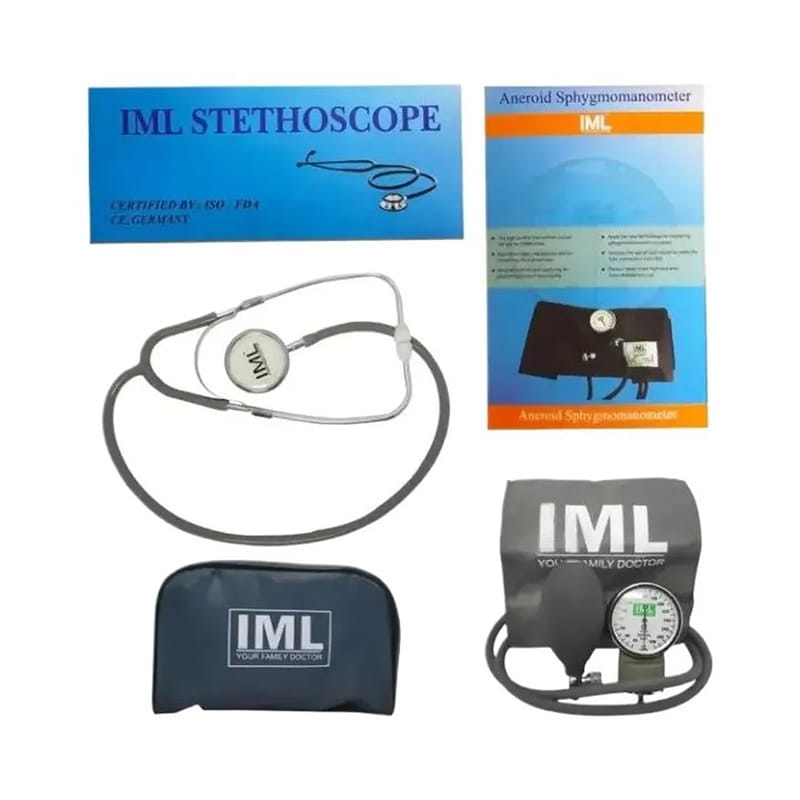
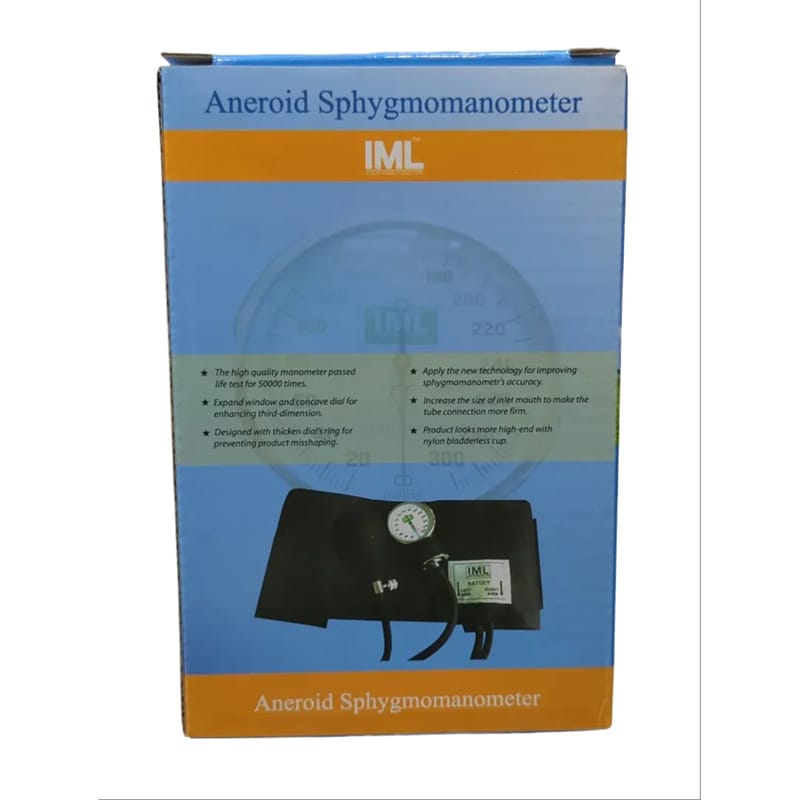


The Aneroid Blood Pressure & Stethoscope Set is the gold standard for healthcare professionals, students, and home users who prefer the reliability of a manual reading. Unlike digital monitors, this manual kit allows for high-precision tracking without the need for batteries or electronics, making it a dependable tool for clinical diagnosis.
Components of the Set
- Aneroid Manometer: A high-precision gauge with a large, easy-to-read dial (usually 0–300 mmHg) and a sturdy clip for attaching to the cuff.
- Premium Stethoscope: A single or dual-head stethoscope designed to capture clear Korotkoff sounds (the sound of blood flow) for accurate measurement.
- Nylon Cuff: A durable, adjustable adult-sized cuff with a hook-and-loop (Velcro) fastener for a secure fit.
- Inflation Bulb & Valve: A high-quality rubber bulb for smooth inflation and a chrome-plated brass air-release valve for precise deflation control.
- Carry Case: A zippered leatherette or nylon bag to keep all components organized and protected from dust and damage.
Key Features
- Clinical Accuracy: Provides highly reliable manual readings that are not affected by irregular heartbeats or movement, unlike some digital models.
- Universal Design: The cuff is typically marked with an "Artery" indicator to help beginners and students with proper positioning.
- Battery-Free: Always ready for use; ideal for emergency kits, rural areas, or clinics where power sources are limited.
- Acoustic Clarity: The included stethoscope features soft ear tips and a sensitive diaphragm to detect even faint pulse sounds.
Product Specifications
Feature
Details
Type
Manual Aneroid Sphygmomanometer
Gauge Range
0 – 300 mmHg
Accuracy
±3 mmHg
Cuff Material
Medical-Grade Nylon / Latex-Free
Stethoscope Type
Single/Dual Head (Aluminum/Stainless Steel)
Warranty
Varies by brand (e.g., ALPK2, Rossmax, or Beurer)
Export to Sheets
How to Use (Manual Method)
- Placement: Wrap the cuff around the upper arm, about 2 cm above the elbow. Align the "Artery" mark with the brachial artery.
- Positioning: Place the stethoscope chest-piece firmly over the brachial artery (under the edge of the cuff).
- Inflation: Close the air valve and pump the bulb until the gauge reaches roughly 180–200 mmHg.
- Deflation: Slowly open the valve to let the air out at a rate of 2–3 mmHg per second.
- Reading: * Systolic: Note the pressure when you hear the first rhythmic tapping sound.
- Diastolic: Note the pressure when the sounds completely disappear.
Maintenance & Calibration
- Zero Check: Before use, ensure the needle on the gauge is pointing exactly to the "0" mark.
- Cleaning: The cuff can be wiped with a damp cloth and mild soap. Do not submerge the gauge or bulb in water.
- Storage: Avoid folding the tubes too tightly, as this can cause cracks in the rubber over time.
Note: Manual blood pressure monitors require a basic level of training to use correctly. If you are a home user, it is recommended to have a healthcare professional demonstrate the proper technique to ensure your readings are accurate.

Login to ask a question
