



 Mobiles & Tablets
 Groceries
 Baby Care
 Electronics
 Sports
 Automotive
 Stationery, Books & Music
 Furniture
 FMCG
 Lifestyle
 Digital Goods
 Cameras & Optics
 Computers & Accessories
 Home Appliances
 TV, Audio, Gaming & Wearables
 Baby & Maternity
 Beauty & Personal Care
 Health & Pharmacy
 Pet Supplies
 Bags & Travel
 Clothing, Shoes & Accessories
 Watches, Eyewear & Jewelry
 Automotive & Motorcycles
 Books, Music & Entertainment
 Home & Living
 Kitchen & Dining
 Laundry & Garment Services
 Real Estate
 Sports & Outdoors
 Stationery, Office & Crafts
 Tools, Building & Garden
 Toys & Games
 Wholesale & Business Supplies
 Bakery
 Beverages
 Cooking Essentials
 Dairy & Eggs
 Fish & Seafood
 Food Delivery
 Frozen Foods
 Fruits & Vegetables
 Home & Utilities
 Household
 Instant Foods
 Meat & Poultry
 Pantry Essentials
 Pet Care
 Pharmacy
 Snacks & Confectionery
 Fashion
_20.jpeg) Home
 Garden & Pet Care
 Grocery
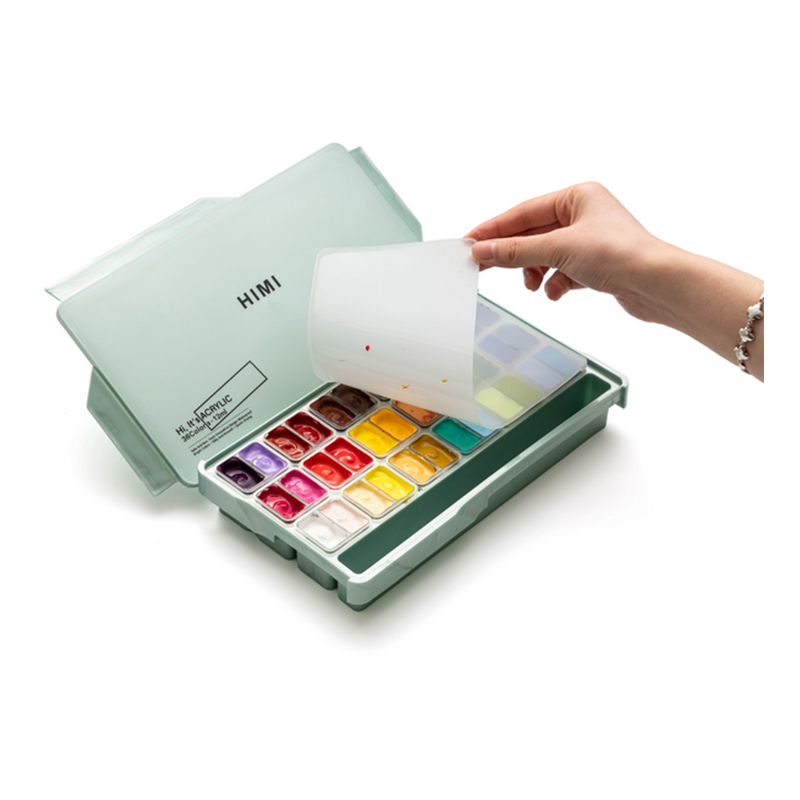
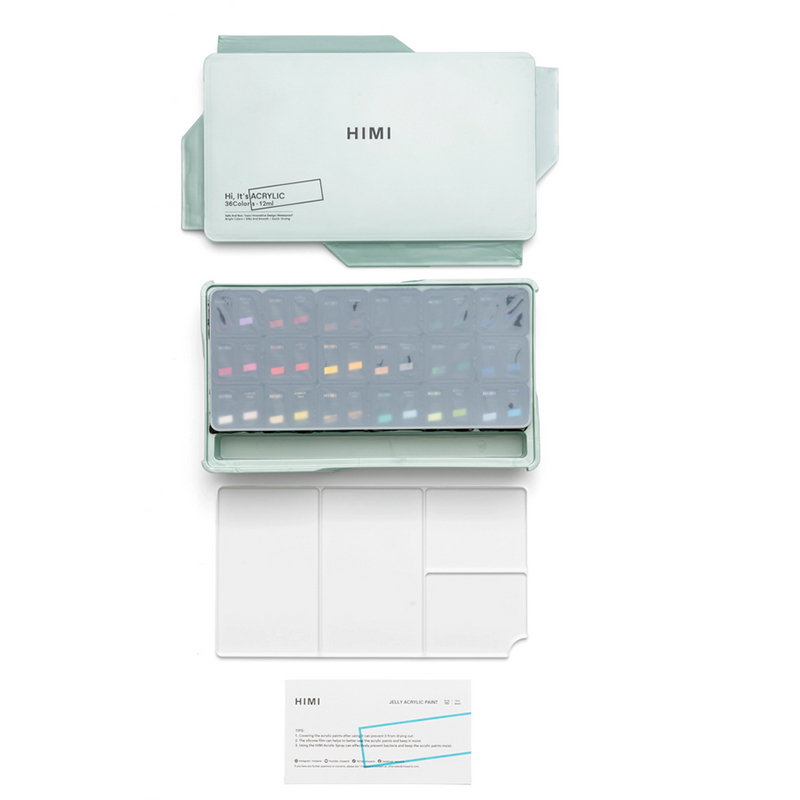



- Acrylic paint is a versatile and widely-used medium in the world of art in the recent decades.
- It
consists of pigments suspended in a water-based acrylic polymer
emulsion, which dries quickly and forms a plastic coating which can only
be removed with powerful solvents. - Acrylic
paints are available in a wide range of colours, consistencies from
thick to thin, and finishes, making them suitable for various painting
techniques. - They
dry relatively fast compared to other paint mediums, allowing artists
to work without waiting for long and at the same time you can extend the
drying time with retarders. - With
just a few acrylic tubes, mediums and varnishes you can create a wide
range of effects and texture unlike any other painting medium. - Acrylics
are known for their vibrant and intense colours. They can be used
directly from the tube or diluted to achieve lighter shades and
transparent glazes. - Once
dry, acrylic paints form a flexible and durable layer that is resistant
to cracking or fading or yellowing over time, protecting it from
environmental damage. - They adhere well to a variety of surfaces, including canvas, wood, paper, and some tricky surfaces with a coat of gesso.
- As
they are water-based, clean-up is easy with water while wet. However,
once dry, they cannot be reactivated, allowing artists to apply
subsequent layers without disturbing the underlying layers. - They are water soluble and safe to use unlike oil paints and can mimic oil painting techniques.
- Acrylic can be used with other mediums like oil, gouache and pastel.

Customer Questions and answers :
Login to ask a question
